
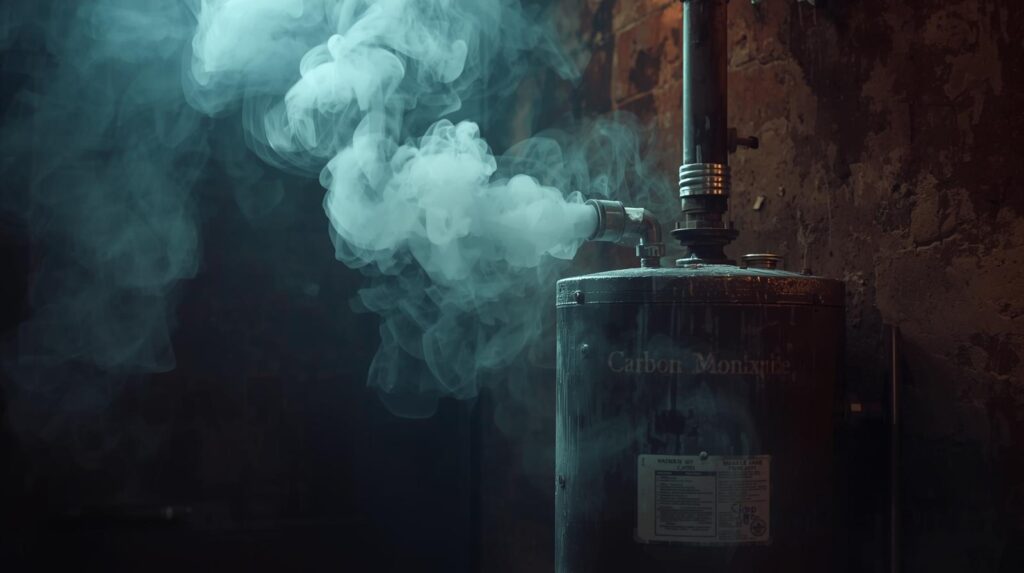
Carbon Monoxide and Your Water Heater
Many house owners focus on the comfort of a hot bathe with out considering the device behind it. If you’ve got a gas-powered appliance, understanding the hyperlink among carbon monoxide water heater protection and your property’s air excellent is important. This invisible fuel can grow to be a silent threat in case your plumbing and venting systems aren’t controlled efficiently.
This manual gives an educational examine how gas water warmers characteristic. We will explore the tools used to come across leaks, the control of air flow systems, and the great practices for domestic protection. At calltheplumb.Com, we consider that a properly-informed property owner is a secure owner of a house. By the usage of cutting-edge control strategies and easy maintenance, you may maintain your family covered.
What is Carbon Monoxide
Carbon monoxide is a gas that has no scent, no color, and no taste. It is produced whenever a fuel like natural fuel, propane, or oil is burned. In a superbly working system, the gasoline is carried out of doors via a vent or chimney. However, if the equipment is broken or the vent is blocked, the fuel can leak into your residing area.
Because you cannot see or smell it, you must rely on generation to locate its presence. Managing this threat entails a mixture of normal inspections and the usage of specialised detection software and hardware. This article explains the tools and management approaches used to make certain your private home remains a secure surroundings.
How a Water Heater Produces Gas
A gas water heater uses a burner at the lowest of the tank. When the water temperature drops, the gasoline turns on and a flame heats the tank. This combustion technique creates exhaust. This exhaust carries carbon monoxide.
To preserve the air in your private home clean, the heater uses a “draft hood” or a sealed vent pipe. This gadget makes use of the regulation of physics—heat air rises—to pull the exhaust up and out of your property. If some thing disrupts this float, the fuel can spill back into the room. This is known as “backdrafting.”
Signs of a Carbon Monoxide Leak
Since the fuel itself is invisible, you have to look for bodily symptoms on the appliance. These clues tell you that the venting system is failing.
- Soot or Staining: Look for black or brown streaks around the pinnacle of the heater.
- Moisture: Excessive condensation at the home windows close to the heater can imply exhaust is staying inside.
- Pilot Light Issues: If the flame is yellow or orange instead of blue, the burner is not getting sufficient oxygen.
- The Smell of Exhaust: While the gasoline itself has no heady scent, different combustion byproducts would possibly smell like “burnt” air or chemical substances.
Comparison of Venting Systems
Different kinds of water warmers use specific methods to move fuel. Choosing the proper one relies upon on your house’s layout and your protection priorities.
The Role of Detectors and Management Software
In the modern-day age, we do not have to bet if our air is secure. There are many virtual gear and management structures designed to reveal air quality. Some clever domestic structures combine with your water heater temperature protection sensors to provide a complete photo of equipment fitness.
It is vital to make clear that this article discusses the software program, gear, and control strategies for home protection. No specific software program content material is hosted or provided right here. We aim to train you on how to use those virtual resources to song your renovation history and receive signals to your cell gadgets.
Smart CO Alarms
Unlike old school alarms, smart detectors can tell you the precise stage of fuel in components consistent with million (PPM). They can sync with your phone and even shut off your fuel line mechanically if a leak is detected. This stage of digital control affords peace of thoughts when you are faraway from home.
Common Mistakes in Heater Placement
Where you put your heater subjects. Many people make the mistake of enclosing their water heater in a good closet without sufficient airflow.
Lack of Combustion Air
Fire desires oxygen to burn. If a water heater is in a tiny room with a sealed door, it’s going to quickly use up all the oxygen. This leads to “incomplete combustion,” which creates much better stages of carbon monoxide.
Blocked Vents
Birds often construct nests in chimney flues all through the summer. When the weather gets cold and the heater runs greater often, the nest blocks the exhaust. Managing your roof vents is just as crucial as dealing with the heater itself. Professionals at calltheplumb.Com endorse checking your exterior vent caps at the least once a year.
Pros and Cons of Gas vs Electric Heaters
If you are worried about fuel protection, you may recall switching to an electric powered version. Here is how they evaluate in phrases of safety and management.
Best Practices for Maintenance
To save you troubles with a carbon monoxide water heater connection, observe a strict control schedule. Regular care ensures that the burner and the vent live in perfect running order.
Annual Inspections
A professional must study the burner assembly each 12 months. They can clean out dust and particles that might intervene with the flame. They additionally use a specialised device referred to as a “combustion analyzer” to measure exactly how lots fuel is being produced.
Keep the Area Clear
Do now not store chemical substances, paints, or gas close to your water heater. The fumes from these beverages can be sucked into the burner. This can motive the metallic components to corrode or create poisonous fumes which can be even extra dangerous than popular exhaust.
Check the Draft
A simple manner to check your vent is the “in shape check.” While the heater is strolling, maintain a lit suit close to the draft hood (the gap on the pinnacle of the heater). The smoke should be sucked into the vent. If the smoke blows again closer to you, the vent is blocked.
Understanding Backdrafting
Backdrafting happens when the air pressure inner your home is lower than the air strain out of doors. This is common in current, “tight” homes. If you switch on a powerful kitchen exhaust fan or a clothes dryer, it could pull air down the water heater vent to update the air being blown out of the house.
To control this, some houses require a “makeup air” system. This is a vent that brings fresh air without delay into the application room. This ensures the water heater constantly has sufficient air to push its exhaust up the chimney.
Workflow for Responding to a CO Alarm
If your detector goes off, you ought to act fast but frivolously. Having a managed plan in area prevents panic.
Managing Your Home Records Digitally
One of the excellent approaches to stay safe is to maintain a digital log of your appliance history. You can use simple control software program or even a basic spreadsheet to track:
- Installation Date: Most heaters closing 10 to 12 years.
- Last Inspection: Helps you keep in mind while to name the plumber.
- Alarm Battery Replacement: CO detectors should have their batteries modified each six months.
- Model and Serial Numbers: Essential for checking in case your unit has been recalled for protection problems.
By retaining those records, you ensure that electric safety plumbing and fuel protection are in no way forgotten. This proactive control style is what separates a secure domestic from a unstable one.
The Danger of DIY Gas Repairs
While many people revel in home projects, gas lines are not for beginners. In many states, it is illegal to work in your personal fuel plumbing with out a license. A single free fitting can lead to a leak that reasons a fire or a buildup of carbon monoxide.
Always rent a licensed technician for:
- Installing a new fuel line.
- Replacing a water heater.
- Modifying the venting gadget.
- Repairing a burner assembly.
How Carbon Monoxide Affects the Body
It is beneficial to realize the signs and symptoms of publicity. Because they sense like the flu, people often ignore them until it’s miles too late.
- Low Exposure: Headaches, dizziness, and blurry imaginative and prescient.
- Medium Exposure: Confusion, sleepiness, and a quick heart rate.
- High Exposure: Loss of recognition and permanent health issues.
If you sense better as quickly as you depart the residence, but feel unwell again whilst you return, there may be a high threat your private home has a gas difficulty. This is why having a carbon monoxide water heater alarm on every floor of your property is a legal requirement in lots of regions.
FAQs about Gas Water Heaters and Safety
Where ought to I location my CO detector?
You must location detectors on every stage of your private home and outdoor each dozing area. It is a fable that they must be near the floor; carbon monoxide is slightly lighter than air and mixes frivolously at some point of the room.
How often need to I update my water heater vent?
Metal vents can remaining two decades, however they need to be inspected yearly for rust. If you see white powder or holes inside the vent pipe, it ought to get replaced at once.
Can a tankless water heater produce carbon monoxide?
Yes. Any appliance that burns fuel, along with tankless fashions, produces exhaust. However, maximum tankless units are “direct vent,” that means they may be tons more secure and less probable to leak into the house.
Why is my pilot mild usually going out?
This may be a sign of a “down-draft.” Wind is probably blowing down your chimney. It can also mean the burner isn’t always getting sufficient oxygen, which is a protection threat.
Do electric powered water heaters want a chimney?
No. Electric warmers do no longer burn fuel and bring no exhaust. They do not require any venting or chimneys.
How lengthy do CO detectors closing?
Most sensors in these devices ultimate among 5 and 7 years. Even if the battery is good, the sensor will subsequently fail. Check the “replace by” date at the lower back of the unit.
Can I use a hearth at the same time as my gasoline water heater?
Yes, however if your own home is very hermetic, the fireplace would possibly compete with the water heater for air. This can cause the water heater to backdraft. Ensure you’ve got adequate air flow.
Conclusion
Managing the connection among your carbon monoxide water heater and your home’s air first-rate is a essential a part of homeownership. While gasoline warmers are green and reliable, they require recognize and normal protection. By the usage of cutting-edge equipment, smart detectors, and the expert offerings of calltheplumb.Com, you can revel in all of the warm water you want with out compromising your safety.
Stay proactive through checking your vents, testing your alarms month-to-month, and maintaining your mechanical room clean of muddle. A small amount of prevention nowadays can save you a prime emergency tomorrow. Remember, safety is not about success; it’s far approximately regular management and the proper information.