
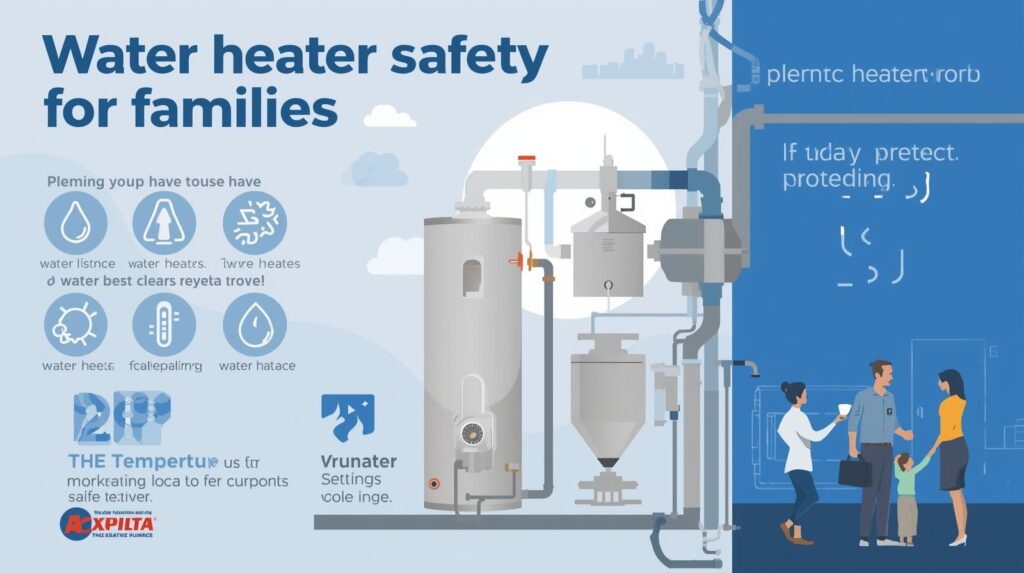
Every 12 months, heaps of human beings be afflicted by painful burns caused by faucet water this is a long way too warm. While warm water is essential for cleansing and comfort, dealing with the temperature of your tank is a crucial protection challenge. Proper water heater scald prevention includes more than simply turning a dial. It requires an know-how of how your plumbing gadget manages warmth and a way to use present day tools to maintain your circle of relatives secure. For children and the elderly, even a few seconds of exposure to particularly warm water can result in severe harm.
This article specializes in the bodily hardware of heating structures, temperature management techniques, and plumbing protection devices. Please be aware that calltheplumb.Com offers instructional information and does now not host software program or offer direct plumbing offerings. This content material is for informational purposes that will help you manage your home infrastructure adequately and efficaciously.
How Scalding Happens in Modern Homes
Scalding happens whilst pores and skin comes into contact with water this is hot enough to harm tissue instantly. Many house owners accept as true with that “hotter is higher” for killing germs or getting dishes clean. While warmness is useful, water saved at a hundred and forty°F can motive a 3rd-degree burn in much less than 5 seconds.
The threat often comes from “thermal layering” inside the tank. The water on the pinnacle of your heater may be plenty hotter than the water at the bottom. When you switch on a faucet, that first-rate-heated water is the first to reach. Managing this danger requires finding a stability between hygiene and physical safety.
The Vulnerability of Different Skin Types
Adult skin is pretty thick. However, the pores and skin of infants and seniors is plenty thinner. A temperature that feels “particularly warm” to a wholesome person may be “dangerously scalding” to a small toddler. This is why domestic management ought to prioritize the most inclined individuals of the household.
Technical Tools for Water Heater Scald Prevention
You do not have to depend upon good fortune to preserve your water at a secure temperature. There are several portions of hardware designed to control warmness output. For extra tips on household protection hardware, visit calltheplumb.Com.
Thermostatic Mixing Valves
A blending valve is a device hooked up at the hole of the water heater. It takes the very warm water from the tank and mixes it with a small quantity of cold water before it travels on your faucets. This lets in you to preserve the tank excessive enough to kill micro organism even as making sure the water within the pipes is at a safe temperature.
Anti-Scald Shower Valves
These valves are placed in the back of your shower manage. They discover adjustments in water stress. If someone flushes a rest room and the bloodless water strain drops, the valve at once reduces the hot water glide. This prevents the “bathe shock” that often ends in falls and burns.
Temperature Pressure Relief (TPR) Valves
Every water heater has a TPR valve. While its predominant activity is to prevent the tank from exploding, it additionally serves as a safety indicator. If this valve is constantly dripping, your tank may be overheating. Managing this element is a key part of any water heater inspection.
Comparison of Temperature Settings
| Temperature | Time to Produce a Serious Burn | Recommended Use |
| 120°F | Over 5 Minutes | Safest for homes with children |
| 130°F | About 30 Seconds | Standard for many households |
| 140°F | Under 5 Seconds | Often used for commercial kitchens |
| 150°F | About 1.5 Seconds | Dangerous for residential use |
| 160°F | Less than 1 Second | Extremely hazardous |
Practical Steps for Home Temperature Management
Managing your own home’s warm water calls for a systematic method. You can take those steps today to enhance protection with no need a expert.
Testing the Temperature
Do now not accept as true with the dial at the heater. These dials are often misguided. To get a real studying, activate the new water on the kitchen sink and let it run for two mins. Use a meat or sweet thermometer to test the water. If the analyzing is above 120°F, you ought to keep in mind lowering the putting.
Adjusting the Thermostat
On electric warmers, you can have thermostats hidden behind steel panels. You need to turn off the power on the breaker earlier than establishing these panels. On gasoline heaters, the dial is commonly on the outside of the gas manage valve. Turn the dial toward the “Low” or “Vacation” placing till you attain the desired temperature.
Labeling Your Faucets
In homes with guests or young youngsters, it is helpful to have clean markers for hot and cold. While the “Red for Hot” and “Blue for Cold” widespread is not unusual, making sure the handles are tight and easy to perform guarantees nobody accidentally turns on the wrong aspect.
Pros and Cons of Lowering Tank Temperature
| Pros | Cons |
| Injury Prevention: Drastically reduces the risk of burns. | Bacteria Risk: Very low temps can allow Legionella growth. |
| Energy Savings: Saves money on monthly utility bills. | Capacity: You will run out of hot water faster. |
| Pipe Longevity: Reduces mineral buildup and heat stress. | Dishwashing: May require longer cycles for sanitizing. |
Common Mistakes in Heat Management
- Setting the Temp Too Low: If you put your tank beneath 120°F, you chance the increase of harmful micro organism like Legionella inside the tank.
- Ignoring the “Stacking” Effect: If you use small quantities of warm water regularly, the heater may also “brief cycle,” that may result in the water on the top being a great deal warmer than the thermostat putting.
- Not Testing After Adjustment: Always wait 24 hours after changing the thermostat after which check the temperature again at the faucet.
- Trusting Old Valves: Over time, anti-scald valves in showers can wear out. If the temperature jumps when a faucet is turned on someplace else, the valve needs management.
- Forgetting the Dishwasher: Some old dishwashers do now not have their own heating factors. If your home water is too cold, your dishes won’t get smooth.
Best Practices for Water Safety
Managing a plumbing gadget is an ongoing venture. For extra guides on protective your private home, go to calltheplumb.Com.
Always take a look at for leaks around the base of your heater. If the tank is leaking, the thermostat may live on constantly, main to overheating. It is likewise sensible to consist of your heater on your seasonal plumbing maintenance tick list. Flushing the tank once a 12 months eliminates sediment that can intrude with temperature sensors.
If you’re acting a water heater inspection, check the age of the unit. Old heaters are less accurate at dealing with warmness. If you discover yourself frequently needing to take a look at bathroom leak issues, do not forget that high stress from a failing water strain regulator can also strain your water heater’s protection valves.
Knowing how to use a plunger or the usage of a drain snake is essential, however thermal protection is ready hardware management. If you are trying to prevent frozen pipes, do not turn your water heater up to compensate for bloodless air. Instead, insulate the pipes. Always comply with proper rubbish disposal care and by no means pour warm grease down the drain, as it is able to melt the seals to your drainage system.
When you replace plumbing hoses in your washing device, make sure they are rated for the temperature your heater is producing. High warmness can cause widespread rubber hoses to fail prematurely. If you have a 2d-floor laundry room, that is particularly vital to prevent flooding and burns.
Workflow: Water Temperature Safety Check
| Step | Action | Tool Needed |
| 1 | Run hot water for 2 minutes | Faucet |
| 2 | Measure with thermometer | Digital Thermometer |
| 3 | Turn off power/gas if too hot | Circuit Breaker/Gas Valve |
| 4 | Adjust thermostat down | Screwdriver (if electric) |
| 5 | Wait 24 hours | Time |
| 6 | Re-test at the faucet | Digital Thermometer |
Digital ThermometerSafety Hardware Comparison
| Device | Installation Location | Primary Benefit |
| Point-of-Use Mixer | Under the sink | Protects specific faucets |
| Master Mixing Valve | At the water heater | Protects the whole house |
| Pressure Balance Valve | Inside the shower wall | Prevents temp spikes from toilets |
| Digital Temp Gauge | On the hot water pipe | Real-time monitoring |
FAQs
What is the most secure temperature for a domestic with infants?
Most professionals recommend one hundred twenty°F. This is hot sufficient for bathing but presents a much longer “reaction time” if the child is uncovered to the water, stopping deep burns.
Why is my water warmer than the thermostat setting?
This can be because of sediment buildup at the lowest of the tank. The sediment acts as insulation, inflicting the burner to stay on longer than it need to, which overheats the water at the top.
Do tankless water warmers have the same hazard?
Yes. Tankless heaters additionally have thermostats. Because they heat water on call for, they can once in a while produce a “sandwich” of very warm water if the tap is turned on and off quick.
Can I install a blending valve myself?
It includes cutting and soldering pipes, so it is also a job for a expert. However, some “point-of-use” valves for beneath a sink are designed for simpler installation.
How often have to I check my water temperature?
You need to take a look at it as soon as a 12 months or any time you observe a alternate in how the hot water feels. You should additionally test it when you have currently had a water pressure regulator mounted, as adjustments in stress can affect temperature.
Does tough water affect scald protection?
Yes. Minerals can coat the thermostat and the heating elements, making them much less correct. This is why flushing your tank is a crucial control step.
What need to I do if someone is scalded?
Immediately run cool (not bloodless) water over the burn for at the least 20 minutes. Do no longer use ice, butter, or ointments. Seek scientific interest for any burn that blisters or covers a big vicinity.
Conclusion
Commiting to water heater scald prevention is one of the maximum vital ways you could manage your private home’s protection. While we often take warm water without any consideration, it’s far a powerful force that calls for constant tracking. By putting your thermostat effectively, putting in protection valves, and performing regular inspections, you can make sure that your family remains snug without the risk of harm.
Stay proactive along with your plumbing control. Don’t anticipate an twist of fate to happen earlier than you test your settings. For more records on preserving a safe and green domestic, go to calltheplumb.Com. Consistent care and the proper hardware will hold your water machine dependable and your circle of relatives blanketed. A safe domestic is a satisfied home, and thermal safety is a key part of that peace of thoughts.