
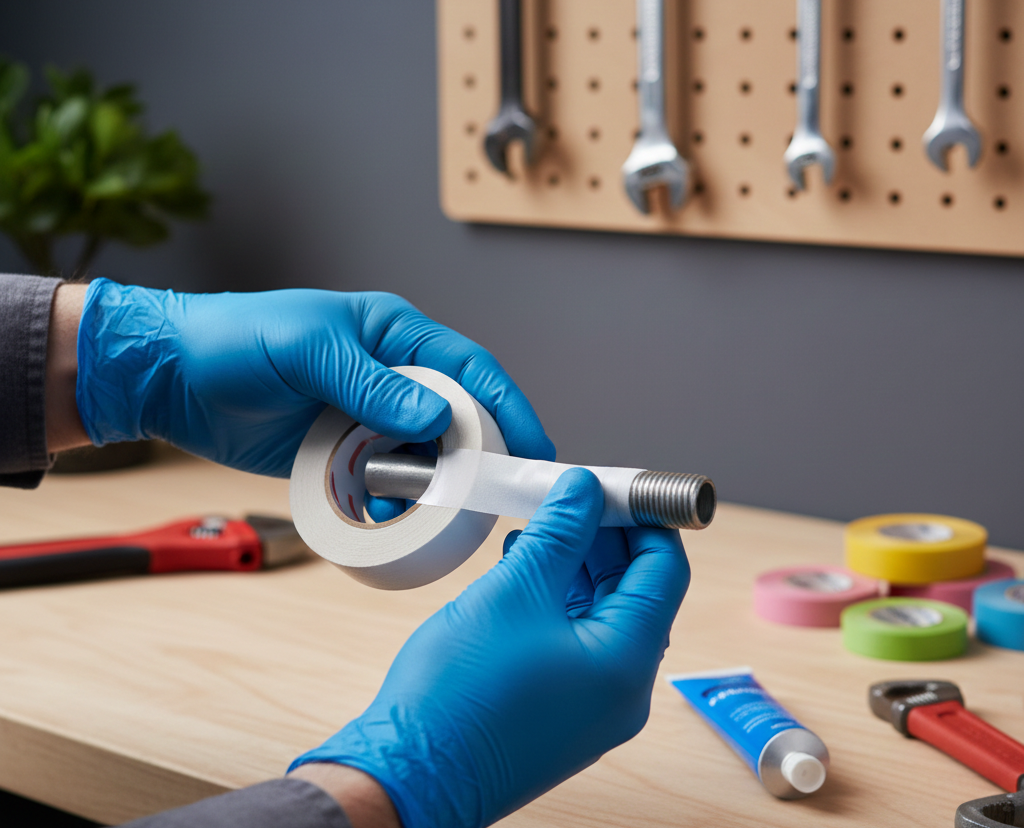
Plumbing leaks often manifest on the joints where two pipes meet. These threaded connections may also look tight, however they’ve tiny gaps that permit water to seep through underneath stress. To create a watertight seal, most professionals and DIY lovers depend on thread seal tape. If you learn how to use teflon tape efficiently, you may save you maximum common household drips before they begin. This easy fabric acts as a lubricant and a filler, ensuring that your plumbing connections stay dry for years.
This article focuses on the bodily hardware, fabric control, and proper utility of thread sealants. Please notice that calltheplumb.Com offers instructional information and does now not host software or offer direct plumbing services. This content is for informational purposes that will help you manipulate your property plumbing tasks correctly and effectively.
What is Teflon Tape
Teflon tape is the not unusual call for Polytetrafluoroethylene (PTFE) movie. It is a skinny, white, non-adhesive tape which you wrap across the male threads of a pipe. Because it’s far manufactured from a slippery plastic material, it serves important purposes. First, it fills the microscopic valleys inside the threads to dam water. Second, it lubricates the threads so you can tighten the relationship in addition without the metal seizing up.
Managing your plumbing repairs calls for understanding which tape to use. While white is the most not unusual shade for water, there are different kinds designed for exceptional gases and liquids. Understanding those versions is a key a part of family maintenance.
Why Quality Matters
Not all tapes are created same. Low-great tape is regularly very skinny and tears effortlessly. High-quality PTFE tape is denser and presents a higher seal with fewer wraps. When you manipulate your personal upkeep, spending a further dollar on a higher roll can prevent the headache of a leak later.
The Correct Technique to Use Teflon Tape
The maximum essential thing to recall is the route of the wrap. If you wrap the tape the incorrect manner, it’s going to without a doubt unravel as you screw the pipe into the proper. For extra guidelines on learning important plumbing equipment, go to calltheplumb.Com.
Prepare the Threads
Before making use of any sealant, the threads should be easy and dry. Use an old toothbrush or a rag to dispose of any dirt, antique tape, or metallic shavings. If the threads are greasy, the tape will not live in region.
The Direction of the Wrap
Hold the pipe on your left hand with the threads dealing with you. Place the stop of the tape on the threads and wrap it clockwise. This is the same course the appropriate will flip whilst you tighten it. By wrapping clockwise, the tightening movement of the suitable truely pulls the tape tighter into the threads.
The Number of Wraps
For widespread water pipes, 3 to 5 wraps are generally enough. If you operate too little, it might not seal. If you use too much, the tape would possibly bunch up and prevent the threads from enticing nicely. Always hold the tape flat and tight against the steel as you move.
Comparison of Thread Sealant Types
| Sealant Type | Best Use Case | Ease of Removal | Mess Level |
| White PTFE Tape | Standard water lines | Very Easy | Low |
| Yellow PTFE Tape | Natural gas/Propane | Easy | Low |
| Pipe Dope | High-pressure/Large pipes | Difficult | High |
| Blue/Pink Tape | Heavy-duty water/Steam | Moderate | Low |
Where to Apply Thread Tape
Teflon tape is handiest for specific forms of connections. Using it in the incorrect place is a commonplace mistake that can truely motive a leak.
Tapered Pipe Threads (NPT)
These are the standard threads determined on galvanized steel, brass, and a few plastic pipes. The threads are slightly cone-fashioned. As you tighten them, they wedge collectively. This is in which you have to use sealant to fill the gaps.
Compression Fittings
Never use tape on compression fittings. These use a brass ring (ferrule) to create the seal. Adding tape to the threads interferes with the nut’s ability to compress the ring, if you want to result in a leak.
Flare Fittings
Like compression fittings, flare fittings depend upon metallic-to-steel contact on a fashioned surface. The threads are most effective there to provide mechanical force. Adding tape here makes no sense and may be counterproductive.
Common Mistakes and Misconceptions
- Wrapping Counter-Clockwise: This is the most frequent blunders. As soon as you tighten the joint, the tape will bunch up and fall off, leaving the joint unprotected.
- Covering the First Thread: Always depart the first thread on the very tip of the pipe naked. If tape hangs over the edge, it can wreck off and clog valves or tap aerators.
- Using Tape on Garden Hoses: Garden hoses use a rubber washer to seal. The threads do now not need tape. If a hose leaks, replace the washer as an alternative.
- Over-tightening: Because the tape makes the threads slippery, it is simple to hold turning. On plastic fittings, this may crack the woman housing.
- Using Old Tape: If a roll of tape has been sitting in a warm storage for 5 years, it’d grow to be brittle. Always use sparkling, flexible tape for a reliable seal.
Pros and Cons of PTFE Tape
| Pros | Cons |
| No Mess: Unlike pipe dope, it doesn’t get on your hands or tools. | Alignment: Can be tricky to start the first thread. |
| Easy Disassembly: Joints come apart easily even years later. | Thickness: Requires multiple wraps to be effective. |
| Inexpensive: A single roll can last for dozens of repairs. | Static: Can be difficult to handle in windy conditions. |
| Chemical Resistance: Does not react with most household liquids. | Specific Use: Not for all plumbing connections. |
Best Practices for Joint Management
Successful plumbing is ready interest to element. For greater professional control guides, visit calltheplumb.Com.
When you are completed wrapping, pull the tape tight till it snaps. Press the loose end firmly into the threads with your thumb. This ensures the tape may not slip while you start the right. It is also smart to take a look at for leaks by means of slowly turning on the water strain and wiping the joint with a dry tissue. If the tissue remains dry, the seal is ideal.
If you’re following a seasonal plumbing renovation checklist, test the uncovered joints in your basement. If you notice white crusty buildup (mineral deposits) round a joint, it is probably a “slow” leak that wishes to be taken aside and re-wrapped. Always confirm the fabric earlier than you start. While you can use tape on maximum metals, a few plastic manufacturers recommend particular pastes over tape to keep away from stress cracking.
Before you begin a challenge, make sure you have the proper essential plumbing gear. You will commonly need wrenches: one to maintain the pipe and one to show the appropriate. This prevents you from twisting the pipe similarly back inside the wall. If you’re doing a water heater inspection, test the threaded nipples on pinnacle. These are top spots for thread tape. Similarly, when you perform garbage disposal care, test the threaded drain connections for symptoms of moisture.
Knowing a way to use a plunger or the use of a drain snake is incredible for clogs, however mastering thread tape is what keeps the water within the pipes. If you discover a leak in a lavatory, you might want to check toilet leak regions around the supply line. These frequently use compression nuts, so do not forget the guideline: no tape on compression joints!
PTFE Tape Color Coding System
| Color | Application |
| White | General water plumbing (up to 3/8 inch) |
| Pink | High-pressure water lines (thicker than white) |
| Yellow | Gas lines (Natural gas, Propane, Butane) |
| Green | Oxygen lines (Oil-free) |
| Gray/Stainless | Stainless steel threads (Prevents seizing) |
FAQs
Can I use Teflon tape on PVC threads?
Yes, but you ought to be cautious. Tape makes the threads very slippery. It could be very easy to over-tighten PVC and crack the suitable. Some pros opt for a non-hardening pipe dope for plastic.
Is one logo of tape higher than every other?
Generally, yes. Look for “excessive-density” or “professional grade” on the label. Cheap tape is often so thin you could see through it, because of this you have to use two times as plenty to get a good seal.
How typically can I reuse a taped joint?
Never reuse the tape. If you unscrew a joint, peel off all the vintage tape, easy the threads, and follow a clean wrap. Old tape loses its form and might not seal a second time.
Can I use Teflon tape on gasoline lines?
Only if you use the yellow version. Standard white tape is just too thin and porous for gasoline. Yellow tape is an awful lot thicker and is tested to save you gasoline leaks.
Why did my taped joint leak?
The maximum commonplace motives are wrapping the tape in the wrong path, not using enough wraps, or having grimy threads. If it leaks, take it aside, clean it, and strive once more with extra care.
Does Teflon tape expire?
Technically, PTFE is very solid and would not rot. However, the plastic spool can grow to be brittle, and the tape can lose its stretch if saved in direct sunlight or excessive warmth.
Can I use tape and pipe dope collectively?
Yes, that is a commonplace “belt and suspenders” technique. Apply the tape first, then a thin layer of pipe dope over the tape. This affords an remarkable seal for huge pipes or excessive-strain systems.
Conclusion
Learning to use teflon tape is a fundamental talent for any house owner. It is a easy device, however the usage of it efficiently makes the distinction among a a hit repair and a watery mess. By listening to the wrap path, selecting the proper form of tape, and making ready your threads, you can manipulate your private home’s plumbing with professional results.
Always preserve a roll of super tape to your toolbox. It is a small funding that gives peace of thoughts on every occasion you tighten a pipe. Consistency and patience are the keys to a leak-free domestic. With practice, you may be able to create perfect, watertight seals every time you work on your plumbing machine.