
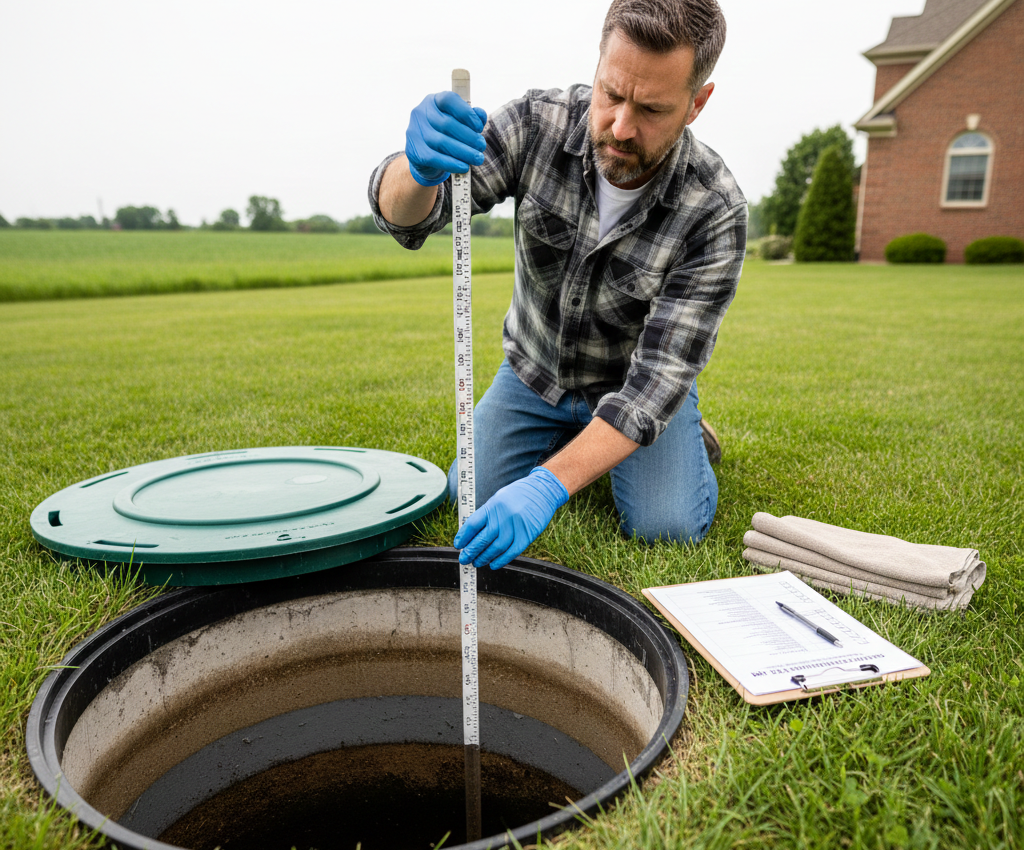
Owning a domestic with a private waste setup is a main duty. Unlike city dwellers, you’re the supervisor of your very own mini-remedy plant. Proper septic system maintenance is the high-quality way to make sure your drains live clean and your out of doors stays dry. If you forget about this system, you risk coping with huge restore payments and environmental hazards. A few clean conduct can keep your tank strolling flawlessly for decades.
This article specializes within the bodily hardware and the control of home waste systems. Please observe that calltheplumb.Com offers instructional facts and does now not host software program or offer direct plumbing services. This content material is for informational capabilities that will help you manage your own home infrastructure efficaciously and successfully.
How a Septic System Works
To manipulate your gadget, you must apprehend what occurs underground. A typical setup has principal additives: the septic tank and the drain vicinity. The tank is a buried, watertight box. It is commonly crafted from concrete, fiberglass, or plastic.
When waste leaves your house, it enters the tank. Inside, the waste separates into three layers. The heavy solids sink to the bottom and form “sludge.” Grease and oils drift to the pinnacle and shape “scum.” The middle layer is notably clear water known as “effluent.”
The effluent flows out of the tank and into the drain field. This is a sequence of perforated pipes buried in gravel-stuffed trenches. The soil then filters the water definitely earlier than it reaches the groundwater. If the solids or grease escape the tank and input the drain subject, the soil receives clogged. This is when the gadget fails.
The Role of Bacteria
Your tank is a residing surroundings. It is based on wholesome micro organism to break down solids. Without those tiny organisms, the sludge layer could expand too fast. Managing the chemicals you located down your drain is essential to retaining those bacteria alive.
Simple Septic System Maintenance Steps
You do now not need to be a technician to attend to your setup. You can cope with maximum of the daily control by way of being cautious about what is going down your pipes. For more pointers on organizing your home protection, visit calltheplumb.Com.
Inspect the Tank Regularly
You need to have a professional have a look at your device every 3 years. They will diploma the sludge and scum layers. This tells you if the tank desires to be emptied. Keeping a document of these inspections is an indicator of exact home control.
Pump the Tank on Schedule
Most tanks need to be pumped every 3 to five years. The frequency depends on the scale of your family and the scale of your tank. If you have got were given a massive family, the sludge layer will increase faster. Pumping gets rid of the solids in order that they can’t get away into the drain field.
Conserve Water
Every drop of water this is going down your drain subsequently ends up within the septic tank. If you do an excessive amount of laundry in eventually, you can flood the tank. This pushes solids into the drain subject earlier than they’ve got a hazard to settle. Spread out your water utilization to offer the device time to technique the waste.
Protect the Drain Field
The area above your drain vicinity need to most effective develop grass. Never park motors or drive heavy gadget over it. This can crush the pipes or compact the soil. Also, make sure that rainwater from your roof gutters is directed far from the drain field to save you oversaturation.
Comparison of Waste Systems
| Feature | Septic System | City Sewer |
| Owner Responsibility | High (Total) | Low (Service Line Only) |
| Monthly Cost | Zero (Utility) | Monthly Bill |
| Longevity | 20-40 Years | Indefinite |
| Maintenance Needs | Pumping every 3-5 years | None for homeowner |
| Failure Risk | Backyard flooding | Basement backup |
Best Practices for Waste Management
Managing your private home in some unspecified time in the future of the year requires a proactive approach. Do now not look ahead to a bad fragrance to check your gadget.
Use Septic-Safe Products
Many household cleaners comprise bleach or ammonia. These can kill the useful bacteria on your tank. Look for labels that say “septic steady” or “biodegradable.” This is an important part of lengthy-term septic machine preservation.
Keep a Detailed Map
Knowing precisely wherein your tank and drain subject are positioned is important. If you’ve got got an emergency, the pumper desires to discover the lids rapid. If your lids are buried, undergo in mind putting in “risers.” These are covers that bring the lid to the floor so you do not ought to dig every time.
Watch the Disposal
Garbage disposals aren’t best for septic systems. They upload quite a few extra solids to the tank. If you operate one, you may possibly need to pump your tank two times as frequently. Composting your food scraps is a far higher desire in your plumbing.
Common Mistakes Homeowners Make
- Using “Additives”: Many agencies sell chemicals that claim to do away with the need for pumping. Most experts agree the ones are needless and can now and again harm the gadget.
- Flushing the Wrong Items: Never flush paper towels, woman products, or “flushable” wipes. These do no longer spoil down and will quick fill up your tank.
- Planting Trees Near the Field: Tree roots are drawn to the moisture in the drain situation. They can become the pipes and cause overall blockages.
- Ignoring Slow Drains: If all the drains in your own home are sluggish, it’s far a sign that your tank is complete or the drain area is failing.
Septic System Maintenance Workflow
| Step | Action | Frequency |
| 1 | Visual check of the drain field area | Monthly |
| 2 | Check for leaky toilets or faucets | Every 6 months |
| 3 | Professional tank inspection | Every 3 years |
| 4 | Professional tank pumping | Every 3-5 years |
| 5 | Review water usage habits | Weekly |
Pros and Cons of DIY Management
| Pros | Cons |
| Cost Savings: Proper care avoids $10,000 replacement costs. | Odors: Inspecting a tank can be very smelly. |
| Property Value: A healthy system is a major selling point. | Safety Risk: Large tanks can be dangerous if left open. |
| Self-Sufficiency: You aren’t reliant on city infrastructure. | Manual Labor: Keeping the area clear takes physical work. |
When to Call a Professional
Sometimes, protection well-knownshows a hassle that requires an expert. If you notice the following, it is time to are seeking out help:
- Water pooling in the backyard close to the tank.
- Sewage odors inside the residence or in the backyard.
- Gurgling sounds inside the plumbing pipes.
- Sewage backing up into the bottom drains within the domestic.
For more statistics on coping with your property’s plumbing health, visit calltheplumb.Com. We advocate that you check for leaks on your faucets to prevent losing water. Always take a look at the go with the flow when you have a pump-assisted gadget. If you suspect a clog, you need to look into the take a look at valve on the discharge line. Knowing a way to use a plunger might not help if the tank is entire, so preserve your septic fitness as a top priority.
FAQs
How do I apprehend if I actually have a septic gadget?
If you do now not pay a sewer bill to the city or a application company, you probable have a septic device. You can also search for a clean-out pipe or a lid on your backyard.
What is the maximum not unusual motive of failure?
The maximum common cause is “hydraulic overloading.” This takes place whilst an excessive amount of water is driven via the gadget, inflicting solids to clean out into the drain discipline and clog the soil.
Can I use a ordinary rest room paper?
Yes, however you should pick out a emblem that breaks down quickly. “Septic-stable” toilet paper is specially designed to dissolve rapid so it’d now not absorb an excessive amount of location in the sludge layer.
Why does my backyard smell like sewage after a rain?
Heavy rain can saturate the drain discipline. If the soil is just too wet, it cannot take in the effluent from the tank. The gases then upward push to the surface, causing the smell.
Do I need to add bacteria to my tank?
In maximum cases, no. Human waste truly consists of all the micro organism had to perform the system. If you avoid using harsh chemical compounds, the bacteria will thrive on their non-public.
How lots does it value to pump a tank?
Prices range via area, but maximum owners pay among $three hundred and $600 for a fashionable pump-out. This could be very reasonably-priced compared to the charge of a ultra-modern drain issue.
Conclusion
Proper septic system renovation is the cornerstone of a healthful and safe home. It is a technique that calls for interest to detail in preference to high-priced device. By monitoring your water usage, keeping off dangerous chemical substances, and sticking to a pumping schedule, you can guard your investment.
Remember to live proactive. A failed drain subject is a nightmare that could price tens of lots of bucks. Take the time to analyze your yard and agenda your pump-outs nowadays. Knowing how your gadget works gives you the strength to save you emergencies earlier than they start. Keeping your home’s waste tool going for walks easily is well worth every little bit of attempt.