
When a plunger fails to clear a stubborn clog, most homeowners feel a sense of dread. You might think an expensive professional visit is the only option left. However, there is a powerful middle ground that can save you time and money. By using a drain snake, you can reach deep into your pipes to remove blockages that are far beyond the reach of a rubber plunger. This tool is a staple for anyone who wants to take charge of their home maintenance.
This article focuses on the physical hardware and the management of plumbing repair tasks. Please note that calltheplumb.com provides educational information and does not host software or provide direct plumbing services. This content is for informational purposes to help you understand how to manage your home drainage system safely.
What Exactly is a Drain Snake?
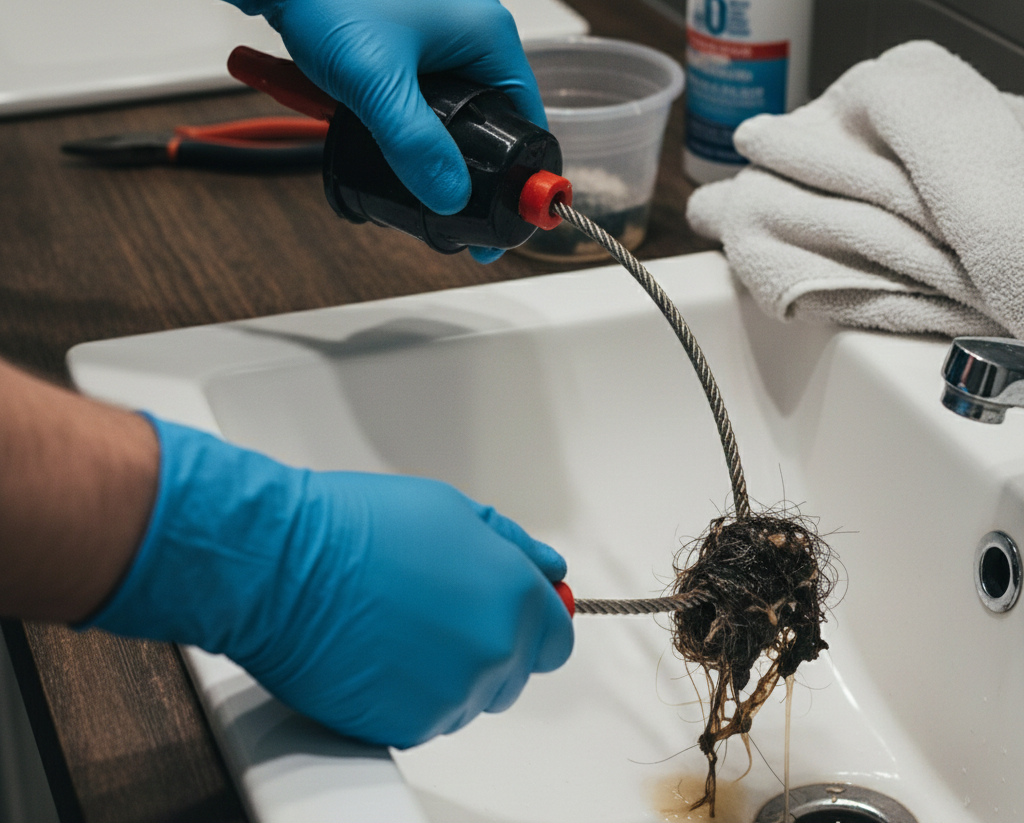
A drain snake, also known as a plumbing auger, is a flexible cable made of metal. It is designed to navigate the curves and bends of your household pipes. At the end of this cable is a specialized tip, often looking like a corkscrew or a hook.
The purpose of the tool is simple. It either breaks up the material causing the clog or hooks onto it so you can pull it out. While plungers use air and water pressure, the snake uses physical force and rotation. This makes it much more effective for solid clogs like hair, paper, or small objects.
How the Mechanism Works
The cable is usually stored inside a drum. As you turn a handle, the cable extends out into the drain. The flexibility of the metal allows it to slide through the “P-trap” under your sink without getting stuck. Once it hits an obstruction, the rotating tip drills into the mass. This action is the key to clearing pipes that seem permanently blocked.
Types of Drain Snakes
Not every snake is right for every task. Using a heavy-duty tool on a delicate fixture can cause permanent damage. Understanding the differences is the first step in successful home management.
The Hand Auger
This is the most common version for homeowners. It features a hand crank and a drum that holds about 25 feet of cable. It is lightweight and easy to store in a small toolbox.
-
Best for: Sinks, bathtubs, and showers.
-
Portability: Very high.
The Closet Auger
A closet auger is a specific tool built just for toilets. It has a short, rigid rod and a curved end protected by a rubber sleeve. The sleeve prevents the metal cable from scratching the porcelain bowl.
-
Best for: Toilets only.
-
Protection: High porcelain safety.
Electric or Power Augers
These are larger machines that use a motor to spin the cable. They are much more powerful but can be dangerous for beginners. Most homeowners do not need to own one, but they are available for rent at many hardware stores.
-
Best for: Main sewer lines or tree root intrusions.
-
Power: Very high.
Comparison of Drain Snake Features
| Tool Type | Reach | Primary Use | Skill Level |
| Hand Auger | 25 feet | Sinks & Tubs | Beginner |
| Closet Auger | 3 to 6 feet | Toilets | Beginner |
| Flat Tape Snake | 50 feet | Floor Drains | Moderate |
| Electric Auger | 100+ feet | Sewer Mains | Advanced |
Workflow: Using a Drain Snake Correctly
Following a structured process is essential for safety and effectiveness. If you follow these steps, you can manage most clogs without causing a mess. For more tips on organizing your home repairs, you can visit calltheplumb.com.
Step 1: Preparation
Clear everything from under the sink. Place a bucket and several old towels on the floor. Wear heavy-duty gloves and eye protection. Things can get messy when the cable comes back out of the pipe.
Step 2: Accessing the Drain
For many sinks, you may need to remove the “P-trap” (the U-shaped pipe) to get direct access to the wall pipe. If you are working on a tub, you usually need to remove the overflow plate to reach the main drain line.
Step 3: Feeding the Cable
Insert the tip of the snake into the pipe. Push it in by hand until you feel resistance. This resistance might be a curve in the pipe or the actual clog.
Step 4: Cranking and Rotating
Once the cable is in, start turning the handle clockwise. Apply steady, gentle pressure. If the cable starts to bunch up or loop, stop turning and pull it back slightly. You want the cable to stay tight as it moves forward.
Step 5: Breaking Through
When you hit the clog, you will feel the handle become harder to turn. Keep cranking slowly. You want the tip to “bite” into the blockage. Once you feel the tension give way, you have likely broken through.
Step 6: Retrieval
Slowly pull the cable back while continuing to rotate it. This helps bring any hair or debris out with the tool. Once the cable is out, clean the tip immediately.
Step 7: Testing
Reassemble any pipes you removed. Run hot water for several minutes to flush away any remaining small particles.
Pros and Cons of Using a Snake
| Pros | Cons |
| Highly Effective: Clears clogs that plungers cannot move. | Dirty Work: The cable often comes out covered in sludge. |
| Physical Solution: No need for dangerous liquid chemicals. | Potential Damage: Can scratch or puncture old pipes. |
| Cost Savings: Avoids expensive service calls for deep clogs. | Storage: Takes up more space than a plunger. |
| Longevity: A quality metal snake can last for decades. | Difficulty: Requires more physical effort than other tools. |
Common Mistakes to Avoid
Even though using a drain snake is a basic skill, small errors can lead to big problems.
-
Forcing the cable: If you hit a hard spot and push too hard, you could break a hole in a rusted pipe. If the cable won’t move, pull back and try again with a slower rotation.
-
Using a sink snake in a toilet: Standard sink snakes do not have a protective sleeve. The metal cable will leave permanent grey marks on the bottom of your toilet bowl. Always use a closet auger for toilets.
-
Turning the wrong way: Most snakes are designed to be turned clockwise. Turning counter-clockwise can cause the cable to uncoil or lose its grip on the clog.
-
Not cleaning the tool: If you put a wet, dirty snake back in the drum, it will rust and fail the next time you need it. Always wipe the cable with a rag and a bit of oil as you retract it.
-
Ignoring the trap: Sometimes the clog is right in the P-trap. If you don’t check the trap first, you might be snaking deep into the wall for a problem that was right in front of you.
Best Practices for Home Plumbing Management
Properly managing your home means knowing when to use your tools and how to maintain them. According to the group at calltheplumb.com, preventive care is the best way to avoid the need for a snake altogether.
Always check for leaks after you have finished snaking a drain. The vibration of the tool can sometimes loosen old connections. It is a good idea to investigate the cable for kinks or rust before you start a job. If a cable is damaged, it could snap off inside your pipe, creating a much larger problem.
When you are finished, you should flush the lines with plenty of water. This ensures that the small pieces of the clog you broke up actually make it to the main sewer line. Never use a snake if you have recently poured liquid drain cleaner into the pipe. The chemicals can splash onto your skin or eyes as the cable rotates. Always shut off the water if things start to overflow during the process.
Process Comparison: Plunger vs. Snake
| Feature | Plunger | Drain Snake |
| Action | Suction and Pressure | Physical Removal |
| Depth | Close to the drain | Up to 25-50 feet deep |
| Clog Type | Soft (Paper/Waste) | Hard (Hair/Food/Grease) |
| Safety | Very Safe | Safe if used cautiously |
| Mess Level | Low | Medium to High |
Frequently Asked Questions
Can a drain snake damage my PVC pipes?
If used successfully, a hand auger is safe for PVC. However, if you use a high-powered electric snake with the wrong tip, it can eat through plastic walls. Always start with a manual tool for home pipes.
How do I know if I want a closet auger or a hand auger?
If the clog is in the toilet, you need to use a closet auger. For any other drain (sink, bathtub, shower, floor), a standard hand auger is the best choice.
Should I use a snake whenever I have a slow drain?
No. Start with a plunger. It is faster and cleaner. Only move to a snake if the plunger fails to improve the drainage after several attempts.
My snake keeps hitting a “wall.” What should I do?
That “wall” is often only a sharp 90-degree turn in your pipes. Pull the cable back an inch, rotate it while pushing, and attempt to “wiggle” it through the turn.
Can I use a snake to clear a major sewer line?
A standard 25-foot hand auger is generally too short for a main line. For a major sewer backup, you typically need an electric auger with at least 50 to 100 feet of cable. This is often a job for a professional.
How do I remove the hair from the snake tip?
Wear thick rubber gloves and use a pair of pliers to pull the hair off the coil. It is unpleasant, but removing the debris is the only way to ensure the tool is ready for the next time.
Conclusion
Mastering the art of using a drain snake is a major milestone for any homeowner. It gives you the ability to remedy critical plumbing issues without the strain of an emergency service call. By choosing the right type of auger and following a cautious, step-by-step method, you can keep your home’s drainage system in top shape.
Remember that while these tools are powerful, they require a gentle touch. Never force a cable, constantly protect your furnishings, and maintain your device after each use. With a touch of practice, you can manage your plumbing duties with confidence and keep your household running smoothly.